One string. One whole step down. That’s all it takes.
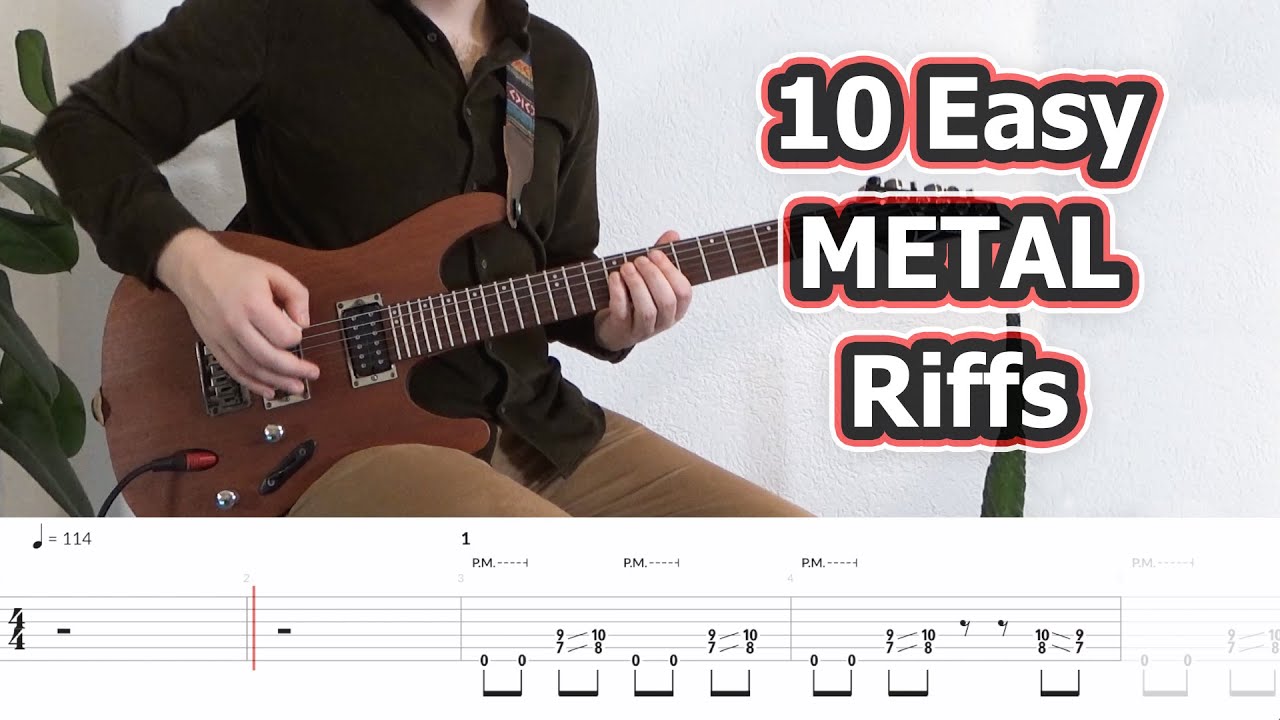
Drop D is the laziest tuning change in guitar history and also the most effective. You lower your sixth string from E to D and suddenly everything sounds heavier. Power chords become one-finger affairs. The low end gets thick enough to feel in your chest. There’s a reason half the riffs you headbanged to in the ’90s were written in this tuning.
The beauty of Drop D is what it does to your right hand. Palm mute that open low D and you’ve got a sound like a diesel engine idling. Add a fifth on the A string and you’ve got the heaviest power chord shape in rock. One finger, two strings, zero effort, maximum weight. Helmet figured this out early. Page Hamilton turned Drop D into a weapon. Meantime is basically an instruction manual for making guitars sound like construction equipment.
Then there’s the Tom Morello approach. “Killing in the Name” is Drop D at its angriest. That main riff is so simple it’s almost offensive. You could teach it to someone who picked up a guitar ten minutes ago. But the way Morello plays it, the way he lets that low D ring out before slamming into the chord. That’s feel, not technique. You can learn the notes in five minutes. The attitude takes longer.
Alice in Chains took Drop D somewhere darker. Jerry Cantrell’s riffs on Dirt use the tuning for its drone quality, those open strings ringing underneath everything, creating this murky, suffocating atmosphere. “Them Bones” opens with a riff in 7/8 time that shouldn’t work in Drop D but somehow does. Cantrell doesn’t play by the rules. Never has.
And then there’s Tool. Adam Jones uses Drop D the way a sculptor uses a chisel, removing everything unnecessary until only the essential remains. “Schism” is mathematically complex and emotionally devastating at the same time. The bass line locks in with the guitar in a way that makes your brain hurt if you think about it too hard. Don’t think about it too hard. Just feel it.
Drop D isn’t flashy. It’s not going to impress anyone at a guitar clinic. But it’s responsible for more genuinely heavy moments in rock and metal history than any other tuning. One string. One step. Everything changes.
Grab your guitar. Tune down. See what happens.