Crimson Glory has been functionally silent for twenty-six years. Astronomica came out in 1999. Their original vocalist Midnight (John Patrick McDonald) died in 2009. The band that helped define American progressive heavy metal in the late 1980s, the band whose silver masks and cathedral-sized vocals influenced a generation of prog metal that followed, simply stopped releasing music.
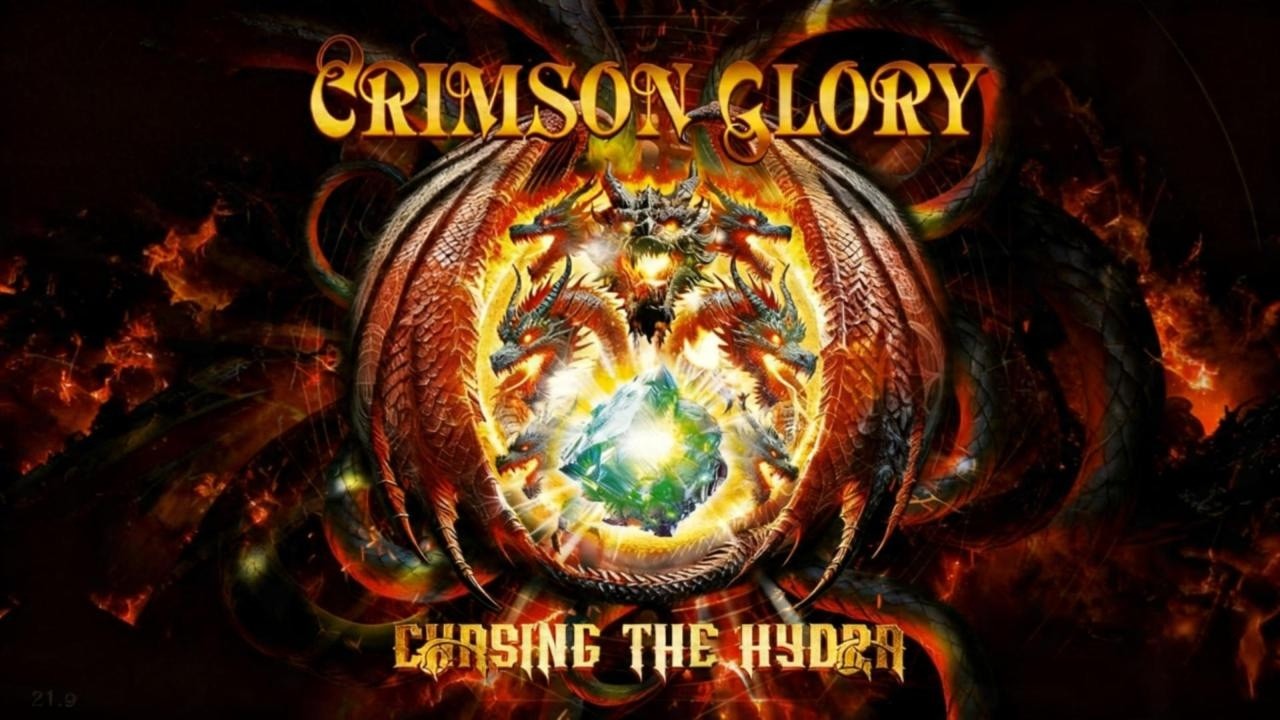
Now they are back with their fifth album. Chasing the Hydra dropped on April 17, 2026, via Greek label No Remorse Records and Canadian metal press imprint BraveWords Records.
My Read on the Reception So Far
The reactions are broadly positive. Reviewers are calling it a strong comeback with plenty of classic 80s atmosphere, technical riffs and impressive vocals. The shared note across multiple reviews is that the album needs multiple listens to settle. It does not quite reach the absolute peak of the band’s past, and most reviewers are honest enough to say so. But for a comeback album twenty-six years after the previous record, it earns its place.
That is the right framing. Not “the new Transcendence”. Not a radical reinvention either. Something between: a record by people who have lived through the genre’s birth and watched it dilute, and who came back with something focused.
Who Is In The Band Now
Three original members are still in: Jeff Lords on bass, Dana Burnell on drums, Ben Jackson on guitar. Two new faces: Mark Borgmeyer on second guitar and Travis Wills on vocals. That last one is the interesting hire. Replacing Midnight is impossible. Wade Black tried in the 90s. Todd La Torre tried in the 2010s before leaving to join Queensrÿche. Now Travis Wills gets the chance.
The album opens with “Redden the Sun” and runs for nine tracks total: Redden the Sun, Chasing the Hydra, Broken Together, Angel in My Nightmare, Indelible Ashes, Beyond the Unknown, Armor Against Fate, Pearls of Dust, Triskaideka.
What the European Reviews Say
GRIMM Gent called the vocals hypnotic and praised the song construction. The Razor’s Edge called the album excellent and singled out the technical control. Music In Belgium called it the best Crimson Glory release since 1988, and also said the magic of the original guitar duo is not entirely back.
That last note is the honest one. The 1988-era pairing of Jon Drenning and Ben Jackson was a specific kind of chemistry. With only Jackson still in the band and Borgmeyer next to him, the sound cannot be a one-to-one continuation. But “best since 1988” is a real statement. Astronomica did not get that label. Strange and Beautiful did not get that label. Chasing the Hydra does.
Why The European Press Got It First
No Remorse Records is Greek. They have spent two decades reissuing classic American power and progressive metal albums for European collectors. American progressive heavy metal from the 80s has always had a stronger fanbase in Europe than at home. Crimson Glory landing on No Remorse for Chasing the Hydra is the band acknowledging where their audience actually lives.
Compare that to the silence from major American metal media this week. The European underground press got there first because the European underground cared first.
Why It Matters
Most of the architects of late-80s progressive metal are not making records anymore. Queensrÿche has fragmented across multiple touring configurations. Fates Warning is on extended hiatus. Watchtower has been mostly silent. When one of the architects releases an album that earns a “best since 1988” line from a European reviewer, it is worth paying attention.
This is not a Transcendence successor. Nothing will be. Transcendence was lightning in a bottle in 1988. But the foundation that made Transcendence possible is still there, and Chasing the Hydra is the proof. A comeback that respects its own legacy without trying to copy it.
Put Chasing the Hydra on, give it the multiple listens the reviews are asking for, and judge it on what it is rather than what you wish it were.